
Contacting a health and wellness platform is not just about filling out a generic form. The choice of channel determines the quality of the response, the processing time, and, in some cases, the regulatory compliance of the exchange. We distinguish three levels of contact based on the nature of the request: informational, transactional, or clinical.
Secure Messaging MSSanté: the preferred channel for exchanges involving health data
Any communication containing personal health data (test results, prescriptions, reports) must go through a channel compliant with the standards set by the Agency for Digital Health. Since 2024, messaging operators connected to the MSSanté trust space are the regulatory standard for these exchanges, whether they involve professionals communicating with each other or exchanges with patients via Mon espace santé.
The use of public messaging services (Gmail, Outlook, Yahoo) to transmit clinical information to a health platform is therefore increasingly discouraged. Classic “contact” pages generally do not specify this, creating a gray area for users.
We recommend checking, before any first exchange, if the platform displays a MSSanté address or offers a connector to Mon espace santé. If the approach remains purely informational (asking about the fees of a wellness practitioner, checking available slots), a standard web form or a regular email is sufficient. To delve deeper into the question of suitable contact channels, you can learn more about Le Manifeste Sante and its secure exchange methods.
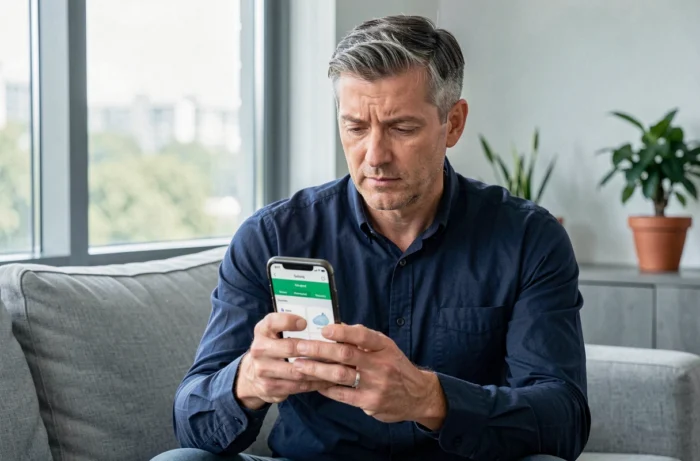
Web contact form: technical criteria to assess its reliability
The majority of health and wellness platforms offer an online form as the main entry point. Not all forms are created equal. A reliable form meets specific technical criteria that we rarely see combined on generalist sites.
- Active TLS encryption on the page: the padlock in the address bar is not enough; the form page itself must be served over HTTPS with a valid certificate.
- Explicit mention of GDPR processing: informed consent checkbox, link to the privacy policy, identification of the data controller. The absence of these elements is a warning sign regarding the platform’s seriousness.
- Structured “subject” or “category” field: a form that allows qualifying the request (information, complaint, partnership, clinical question) enables faster internal routing and reduces response time.
- Automatic email acknowledgment of receipt: without confirmation, it is impossible to prove that the request has been transmitted.
A form lacking these elements warrants caution. It is better to seek a direct phone contact or a dedicated email address for the relevant service.
Health telemarketing: what regulations prohibit since 2025
The reverse approach, where the platform contacts you, is now strictly regulated. The legislator has tightened the conditions for telemarketing: a company can no longer call a prospect without having obtained their prior consent. This rule fully applies to wellness platforms that offered services through unsolicited phone calls.
For users, this means that an incoming call from a health platform you did not solicit potentially constitutes an infringement. We recommend never sharing personal data during an unsolicited call, even if the caller presents themselves under the name of a known platform.
If you wish to be called back, the legitimate route is to request a callback via the form or contact page. It is the platform that documents your explicit consent before initiating the call.

Regional maps and online directories: finding the right contact before reaching out
Contacting the right platform first requires identifying it. The French landscape of online health and wellness services is fragmented: appointment booking platforms, information portals, practitioner directories, coordination support systems (DAC).
Several regions have deployed interactive maps of mental health and wellness services. These tools geolocate the structures and display their direct contact details. Using a regional map rather than a general search engine reduces the risk of landing on outdated pages or unverified platforms.
Specialized directories of wellness platforms often add filters by specialty (sophrology, naturopathy, osteopathy) and by consultation mode (office, video, home). Contact is then made directly from the practitioner’s profile, shortening the chain and limiting intermediaries.
Response times and follow-ups: practices to know
A rarely documented point concerns the expected response time based on the channel used. A web form typically generates a response within a few business days. A secure MSSanté messaging, subject to professional obligations, generally produces a quicker return when it involves an exchange between healthcare professionals.
If there is no response after a week, following up through a different channel (phone if the first contact was by email, or vice versa) is an effective practice. Mentioning the date and content of the first message speeds up processing.
Platforms that display a toll-free number or a local rate number (like 0 800 or 0 809) generally indicate a structured service with a dedicated call center. This type of channel is particularly suitable for urgent requests or situations requiring detailed oral exchanges.
The choice of contact channel remains both a technical and practical act. Identifying the nature of your request before looking for the right form saves time and protects the confidentiality of the information transmitted. The most serious platforms clearly distinguish informational flows from clinical flows and offer a suitable channel for each situation.