We often start at the wrong end. We buy a water bottle, a tote bag, a few bulk jars, and then we run out of steam after three weeks because nothing has really changed in our daily organization. Adopting a sustainable lifestyle isn’t about a list of isolated actions, but about a gradual method that integrates into existing routines.
Adopt eco-friendly actions in stages rather than changing everything at once
When trying to switch to a responsible lifestyle in a week, we quickly find ourselves overwhelmed. Bulk shopping, composting, homemade cleaning products, gentle mobility: piling up all these changes at once generates decision fatigue.
Practical guides for zero waste consumption now recommend introducing eco-friendly actions in stages. After a month, limit yourself to two or three simple actions: refuse plastic bags, use a water bottle, plan your shopping to reduce waste. After three months, add three to five additional habits such as bulk buying, advanced sorting, and cooking leftovers.
This gradual approach works because it respects the adaptation time. You integrate one habit before adding another, instead of questioning everything all at once. Several French-speaking resources dedicated to ecological transition detail these structured paths over six months, such as tous-eco.ch, which gathers concrete ideas to progress at your own pace.
Reduce waste by targeting the three biggest contributors
We are often told to sort, but we rarely discuss what to avoid buying in the first place. The best lever for reducing environmental impact remains eliminating at the source.
Single-use food packaging
Plastic trays, coffee pods, individually wrapped biscuits represent a massive portion of household waste. Switching to bulk for cereals, legumes, and dry products visibly cuts this flow in just a few weeks.
Textiles and fast fashion
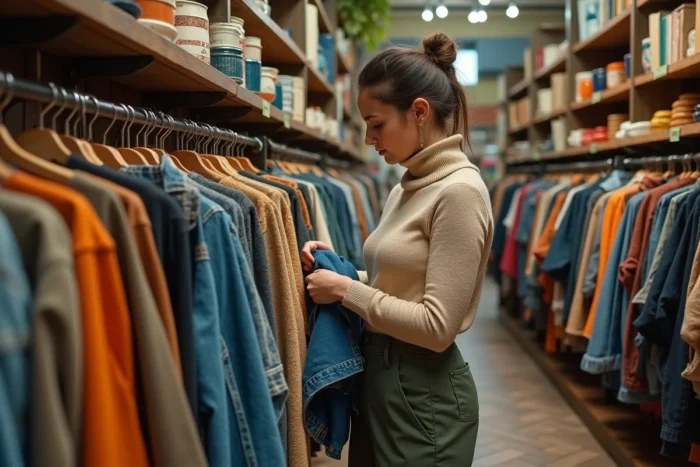
We underestimate the weight of textiles in our trash. Before buying a piece of clothing, the useful question is not “do I want it” but “will I wear it at least thirty times?” If the answer is unclear, we pass.
Household products in disposable containers
Three basic products are enough for regular home maintenance:
- White vinegar for descaling and disinfecting surfaces (diluted with water, it replaces most sprays)
- Baking soda for scrubbing, deodorizing, and unclogging pipes without corrosive products
- Concentrated black soap for floors, countertops, and even dishes in a pinch
These three products cost a fraction of the price of a cabinet filled with specialized bottles, and they eliminate several dozen plastic containers per year.
Responsible consumption and minimalism: the link that action lists forget
Articles on eco-responsible living often line up disconnected advice. There is a missing thread. Minimalism is one, and not in its aesthetic version: in its operational version.
Owning fewer objects mechanically reduces carbon footprint. Less production, less transport, less storage, less waste at the end of life. This logic applies to all areas of daily life: kitchen, wardrobe, appliances, furniture.
Specifically, we can apply a simple filter before each purchase: does this object replace something I already own that still works? If yes, we repair or keep the existing item. If the object is truly necessary, we first look for second-hand or local options.
Feedback varies on this point, but several zero waste journeys show that reducing the number of objects in daily life creates a more lasting effect than accumulating green alternatives. Buying yet another “eco” gadget is still just another purchase.
Energy and water: two areas where small adjustments change the bill
We don’t always have the means to renovate our homes or install solar panels. However, a few technical adjustments within reach have a measurable impact on energy and water consumption.
- Lower the thermostat by one degree in winter. The difference in comfort is barely perceptible, but the reduction in heating consumption is significant over a season
- Install aerators on faucets. This small attachment costing a few euros reduces water flow without changing the sensation of pressure
- Unplug devices on standby, especially chargers, consoles, and secondary screens. The cumulative standby of several devices often adds significantly to the electricity bill
- Prefer washing at low temperatures for regular laundry. Most of the energy in a washing machine cycle is used to heat the water
These actions require neither heavy investment nor radical change. They are adjustments, not renovations. And <strong, when added up over a year, they weigh as much as a significant one-time action.
Sustainable eating: three concrete choices rather than vague principles
Eating responsibly does not mean becoming vegan overnight or buying exclusively from organic stores. Three practical decisions have a direct effect on the carbon footprint of our food.
The first: plan your meals for the week before grocery shopping. Food waste is responsible for a significant share of global greenhouse gas emissions, according to the United Nations Environment Programme. Buying only what you will cook cuts this area significantly.
The second: reduce meat frequency rather than eliminate it. Going from seven meat meals a week to three or four is manageable for most households, and the effect on the carbon footprint remains substantial.
The third: buy seasonal fruits and vegetables produced locally. Not out of dogma, but because a product that hasn’t crossed a continent in a refrigerated truck mechanically consumes less energy.
Adopting a sustainable and responsible lifestyle daily does not rely on perfection. We adjust, we test, we keep what lasts. The most effective approach is to start with the area where we waste the most and stick to it before moving on to the next one.