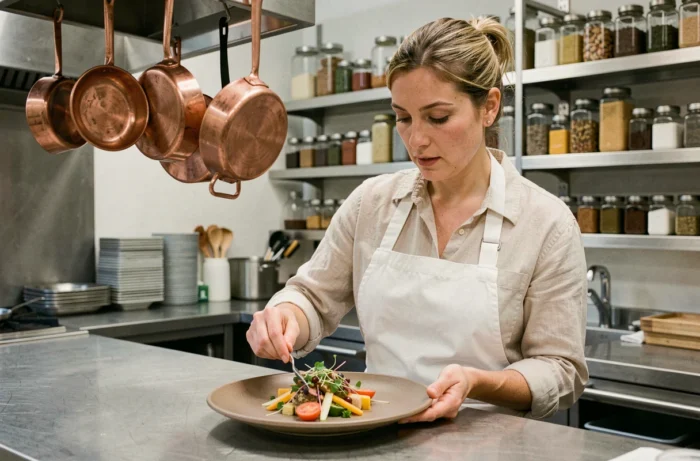
The eating habits of the French are changing faster than restaurant menus. With tight budgets redistributing meals away from home, fast food segments undergoing significant transformation, and dairy product consumption evolving, the culinary landscape of 2026 tells a different story than the usual inspirational trends. Here’s what is concretely changing on our plates.
Restaurant attendance down: what the numbers reveal
Have you noticed less crowded dining rooms at lunch in recent months? It’s not just an impression. According to Food Service Vision, out-of-home consumption shows zero growth in the first half of 2026. Table service is declining, and attendance at establishments has dropped by 2% from January to May 2026.
This decline reflects a direct choice by households. Faced with persistent food inflation, many French people prefer to cook at home rather than eat out. During vacations, this trend intensifies: homemade meals replace restaurant bills, as reported by France 3 Occitanie regarding the summer of 2026.
The Foodies and Family news regularly documents these changes in the French relationship with food, balancing budget constraints and a persistent desire to eat well.
Fast food: fried chicken and bakeries replace healthy options
The snacking market in 2026 is not following the trajectory expected by bowl and superfood enthusiasts.
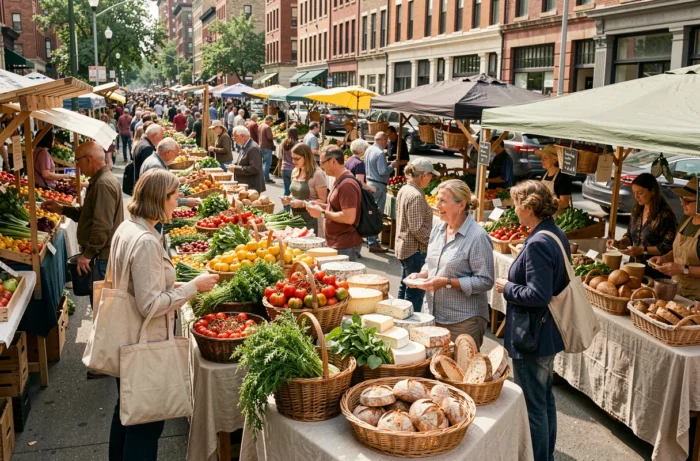
The burger remains the top fast food segment in France. No surprises there. What is changing is the rise of fried chicken and bakeries in the lunch break segment. These formats are gaining ground against pizza and concepts labeled “healthy”.
Halal food is also progressing in this segment. These transformations are not trivial: they reflect the real choices of consumers, who prioritize the quantity-price ratio over health positioning.
- Fried chicken is establishing itself as a quick and accessible alternative, supported by new specialized chains.
- bakeries are capturing an increasing share of lunch with competitive sandwich-drink combos.
- Healthy concepts are losing ground when budget becomes the primary selection criterion.
Understanding these movements helps anticipate what will appear on menus in the coming months, well beyond fleeting trends.
Dairy products and pork: changing consumption patterns
On the grocery side, two trends deserve attention. First, the French are buying less butter but more cheese over the last decade. Butter is declining in baskets, while cheese consumption continues to rise.
Pork consumption is also continuing to increase in 2026. The French pork sector is experiencing steady growth, driven by prices that remain competitive compared to other animal proteins.
Actual purchasing behaviors do not align with grand narratives about plant-based diets and flexitarianism. The French shopping basket evolves through small adjustments, not through abrupt breaks.
Food inflation and homemade: the real culinary trends of 2026
Food inflation remains the main driver of behavioral changes in 2026. Shelf prices continue to rise, and households are adapting their recipes accordingly.
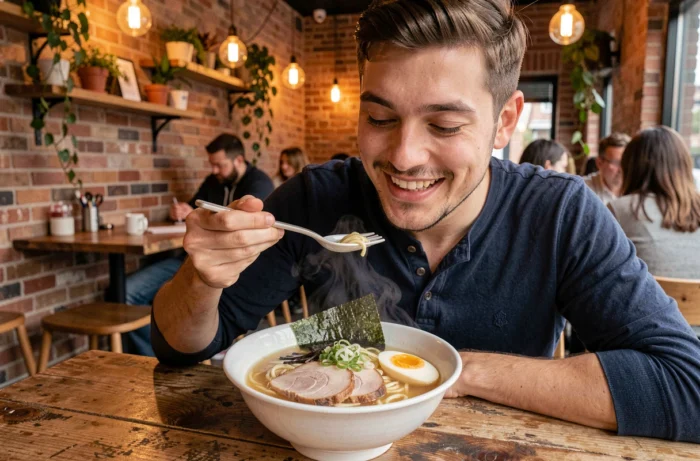
This context encourages a return to economical dishes: soups, composed salads, seasonal vegetable dishes, and homemade sauces. Tofu and legumes are gaining market share not out of ecological conviction, but because their price per kilo remains significantly lower than that of meat.
Simple recipes and raw ingredients are making a comeback. Olive oil, fresh vegetables, starches: the foundations of family cooking are regaining their place in online searches and on social media.
- Homemade soup and sauce recipes see a spike in searches every fall for the past two years.
- Dishes based on vegetables and legumes are progressing in daily meals.
- Homemade is becoming a budgetary reflex as much as a flavor choice.
Flavors and products rising in everyday cooking
Among the products that are establishing themselves, tofu is surpassing its image as a bland substitute. Marinated, grilled, or crumbled in a salad, it finds its place in accessible recipes. Fermented sauces (miso, gochujang) enrich everyday dishes without complicating preparation.
The cuisine of 2026 values simple products transformed with care, rather than rare ingredients or spectacular techniques. Mussels in sauce, seasonal salads, and stews remain the true pillars of meals in France, from Lille to Paris and beyond.
The French culinary scene is undergoing a period of quiet readjustment. Restaurant menus are adapting to customers who are more mindful of their budgets, supermarket shelves reflect choices regarding butter, cheese, and pork, and home kitchens are regaining control over daily meals. This chosen sobriety is already impacting menus and shelves, and the start of the 2026 school year will determine if it lasts.